FattyMeat.com

The Truth About Fatty Meat

Why Your Body Craves What You've Been Told to Avoid

For decades, we've been told to avoid fat. But modern science reveals that fatty meat—especially from ruminant animals—is one of the most nutrient-dense foods on Earth. Discover how embracing fat can transform your health.

Discover the Benefits

Why Fatty Meat is Nature's Multivitamin

🧠

Brain Fuel

Your brain is 60% fat. Fatty meat provides the essential fatty acids and cholesterol your brain needs for optimal function, memory, and mental clarity.

⚡

Sustained Energy

Unlike carbs that spike and crash, fat provides steady, long-lasting energy. Say goodbye to afternoon slumps and sugar cravings.

💪

Muscle Building

Complete protein with all essential amino acids, plus the fat needed for hormone production—critical for building and maintaining lean muscle.

🔥

Hormone Health

Dietary fat is the building block of hormones. Proper fat intake supports testosterone, estrogen, and thyroid function.

❤️

Heart Health

Contrary to old beliefs, natural animal fats can improve your lipid profile—raising HDL and improving LDL particle size.

🦴

Bone Strength

Fat-soluble vitamins A, D, E, and K2 in fatty meat are essential for calcium absorption and bone density.

The Kings & Queens of Fatty Meat: Ruminants

Ruminant animals—beef and lamb—are nutritional powerhouses. Their unique digestive systems convert grass into the most bioavailable nutrients for humans. These should be the cornerstone of any meat-based approach to health.
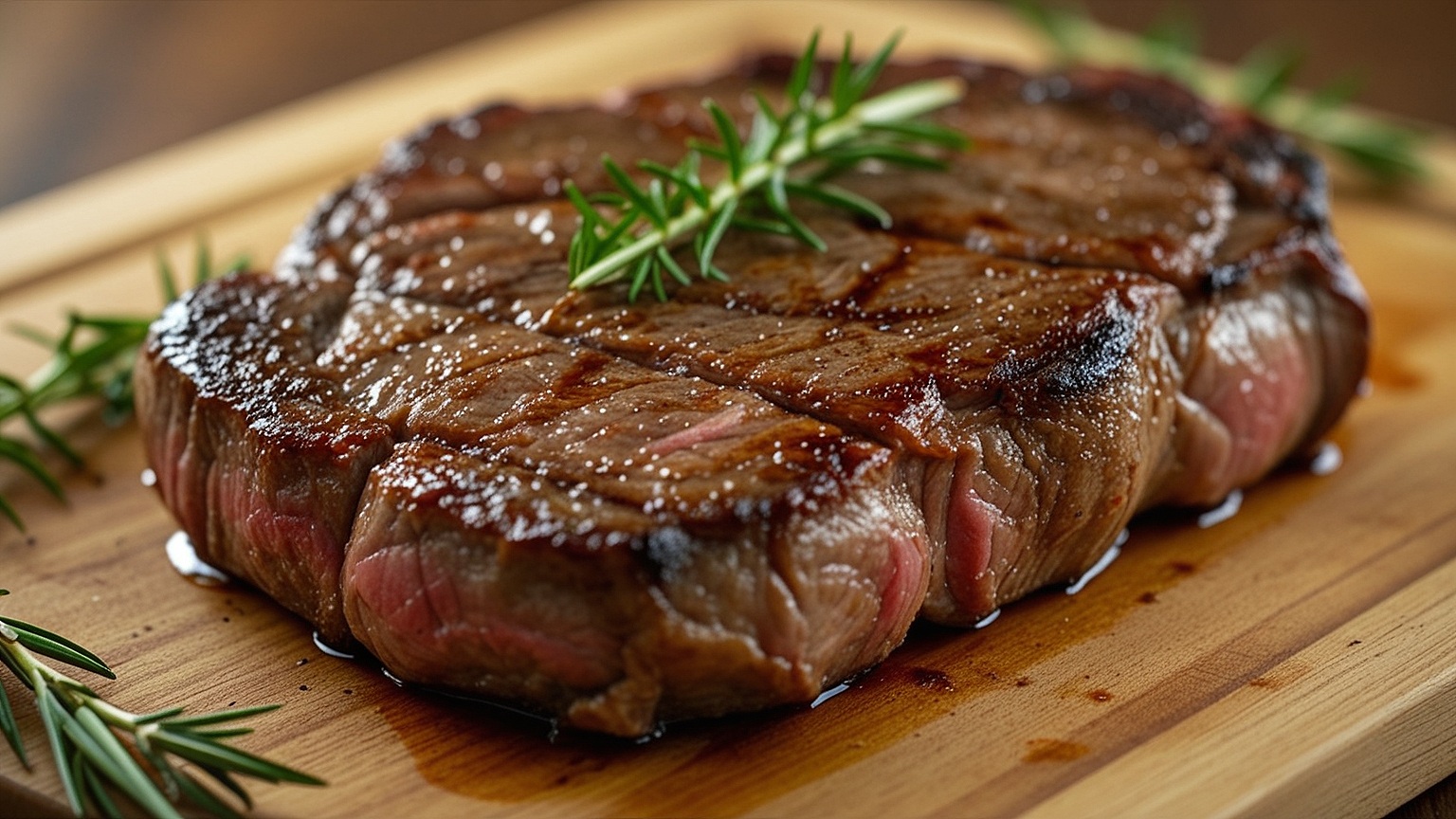
Marbled Ribeye Steak
Beef

Ribeye Steak

The king and queen of marbling. Ribeye contains abundant intramuscular fat that melts during cooking, creating unmatched flavor and providing conjugated linoleic acid (CLA), a powerful anti-inflammatory compound.
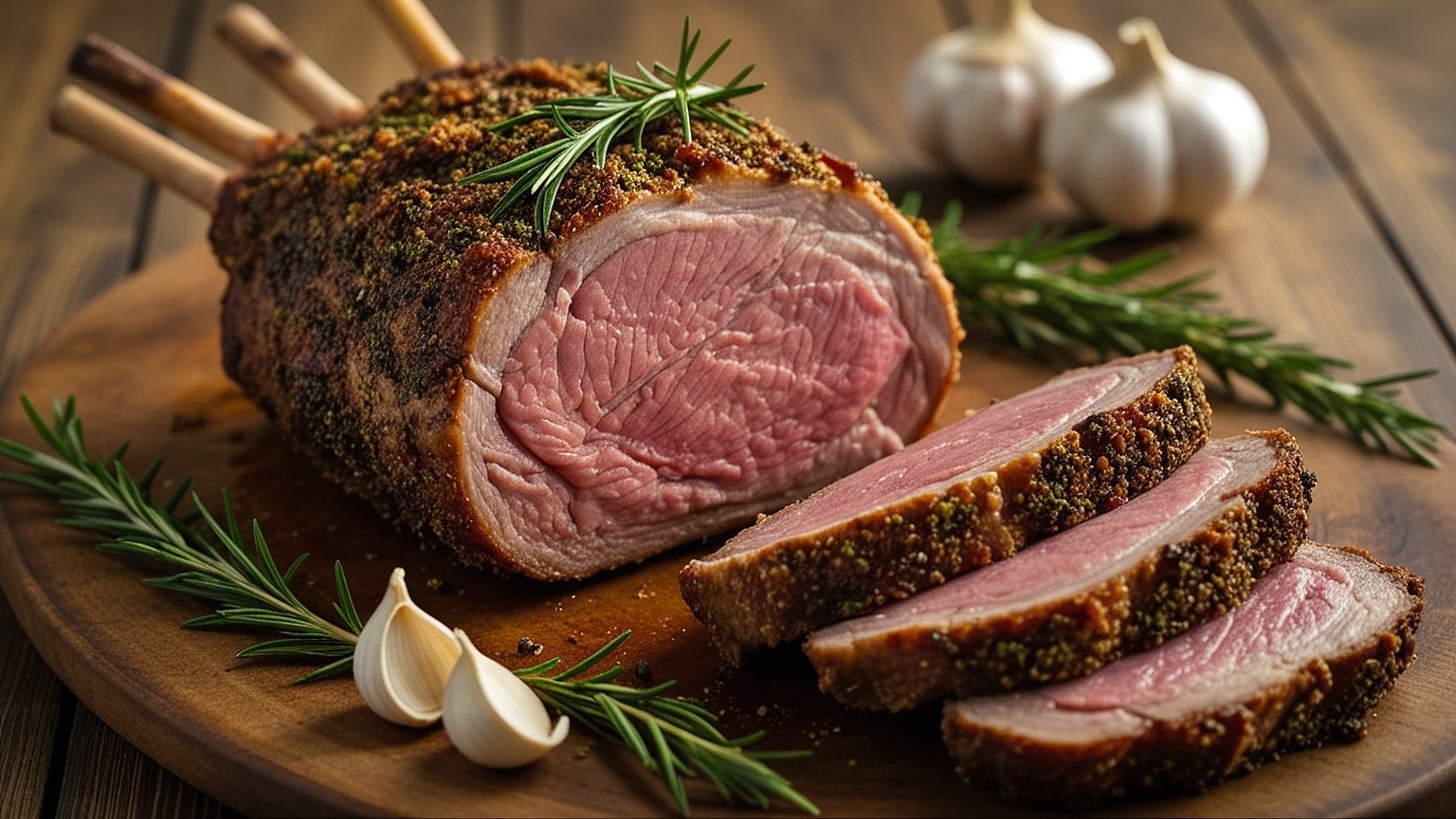
Roasted Leg of Lamb
Lamb

Roasted Lamb Leg

Rich in omega-3 fatty acids and CLA, especially when grass-fed. Lamb provides heme iron, zinc, and vitamin B12 in highly absorbable forms that plant foods simply cannot match.
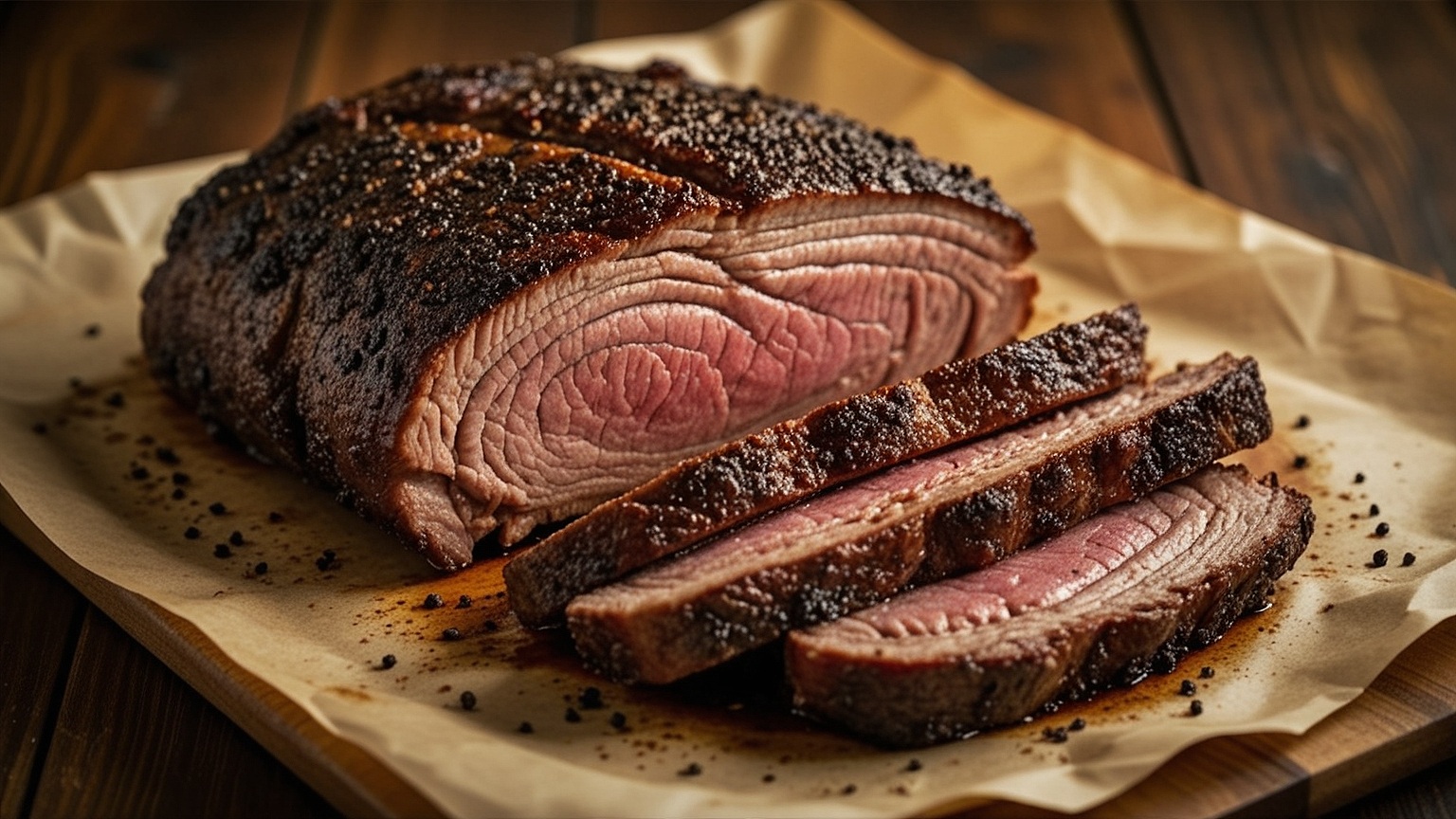
Beef Brisket
Beef

Beef Brisket

Slow-cooked to perfection, brisket's thick fat cap renders into the meat, creating collagen-rich, gelatinous nutrition that supports gut health, skin elasticity, and joint function.
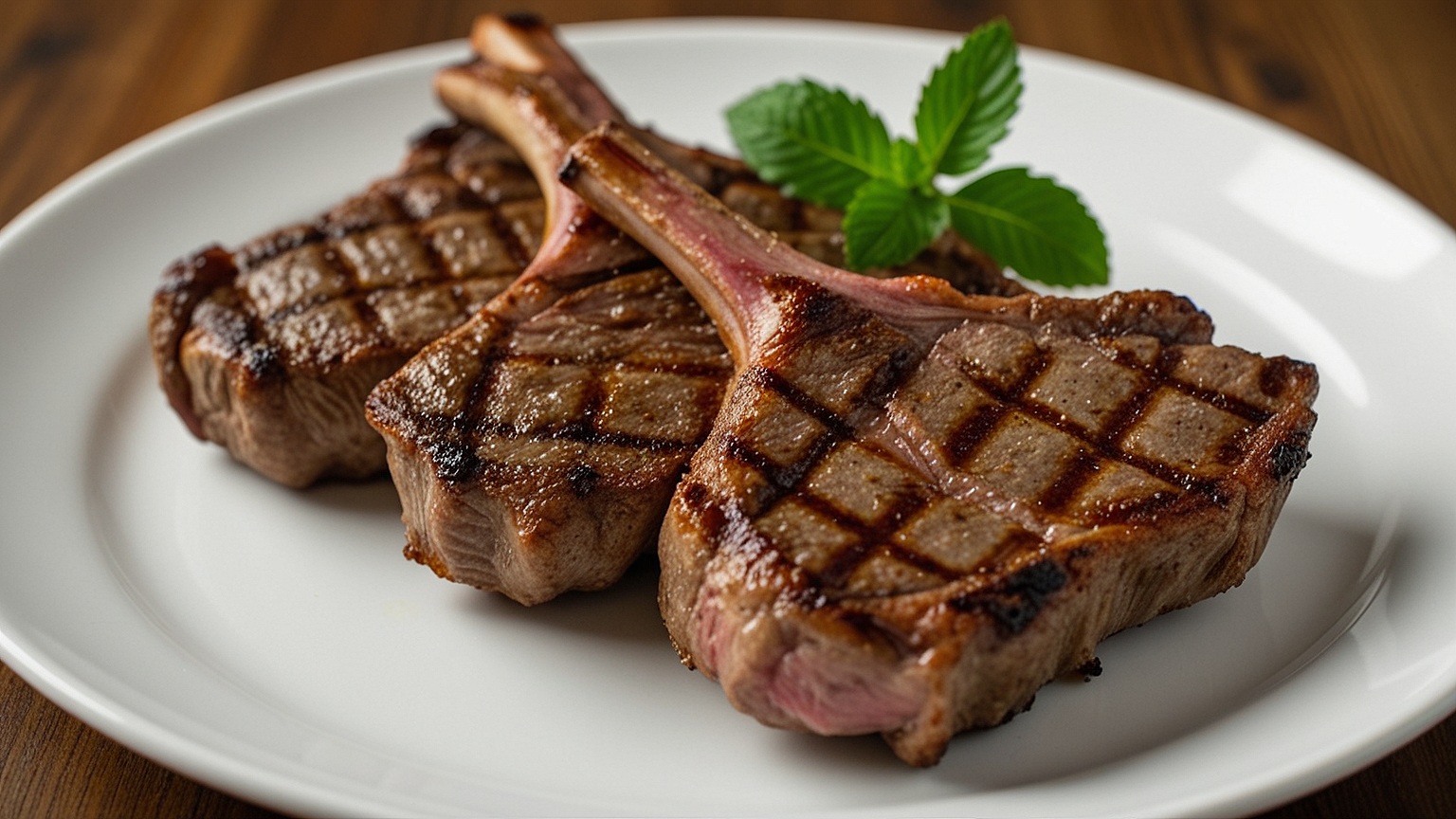
Grilled Lamb Chops
Lamb

Lamb Chops

Quick-cooking cuts with caramelized fat edges. The fat in lamb contains unique fatty acid profiles that support cardiovascular health and provide sustained energy.
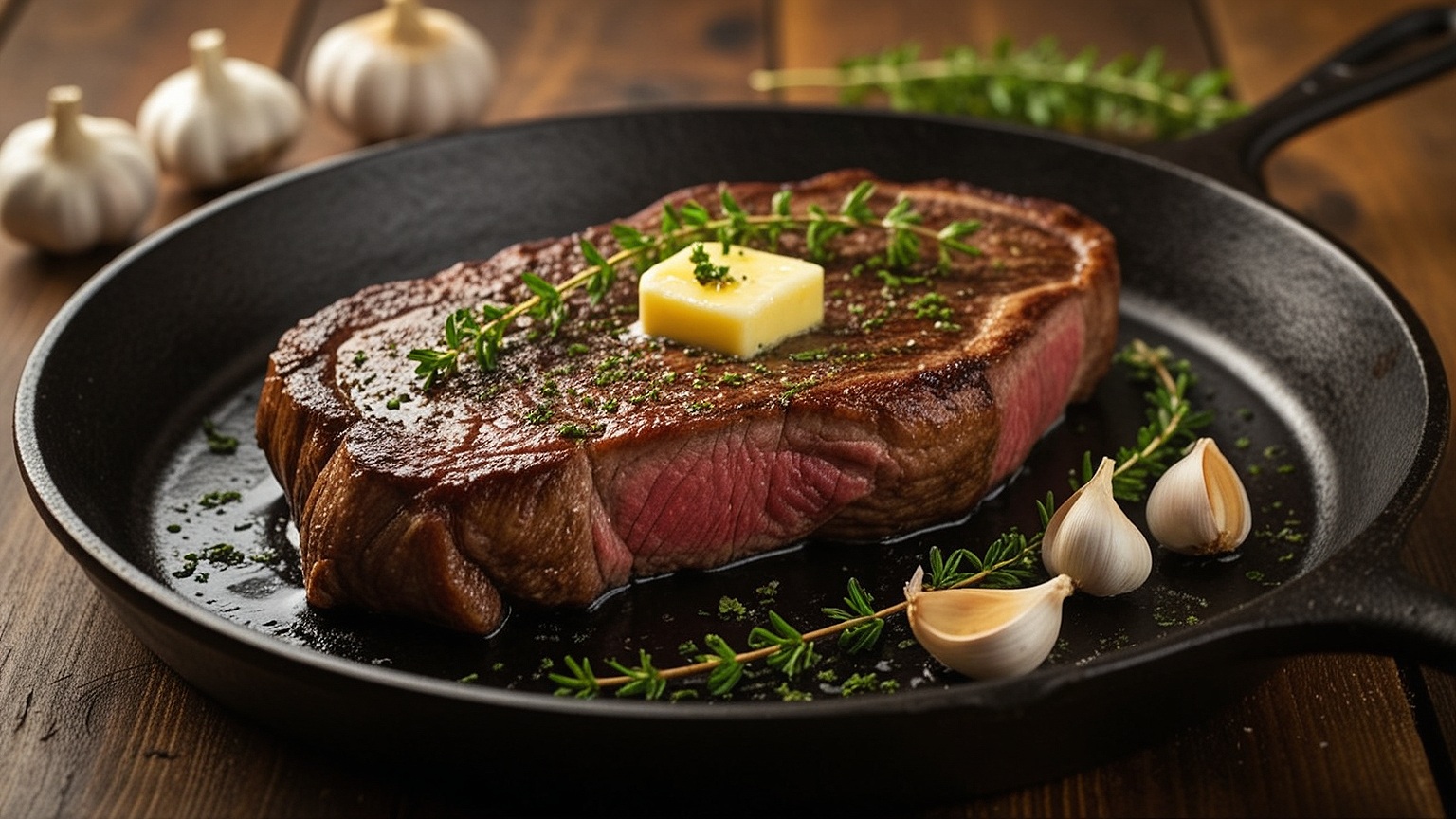
T-Bone Steak
Beef

T-Bone Steak

Two steaks in one—tenderloin and strip—separated by a T-shaped bone. The bone marrow adds minerals while the surrounding fat delivers unmatched flavor and nutrition.
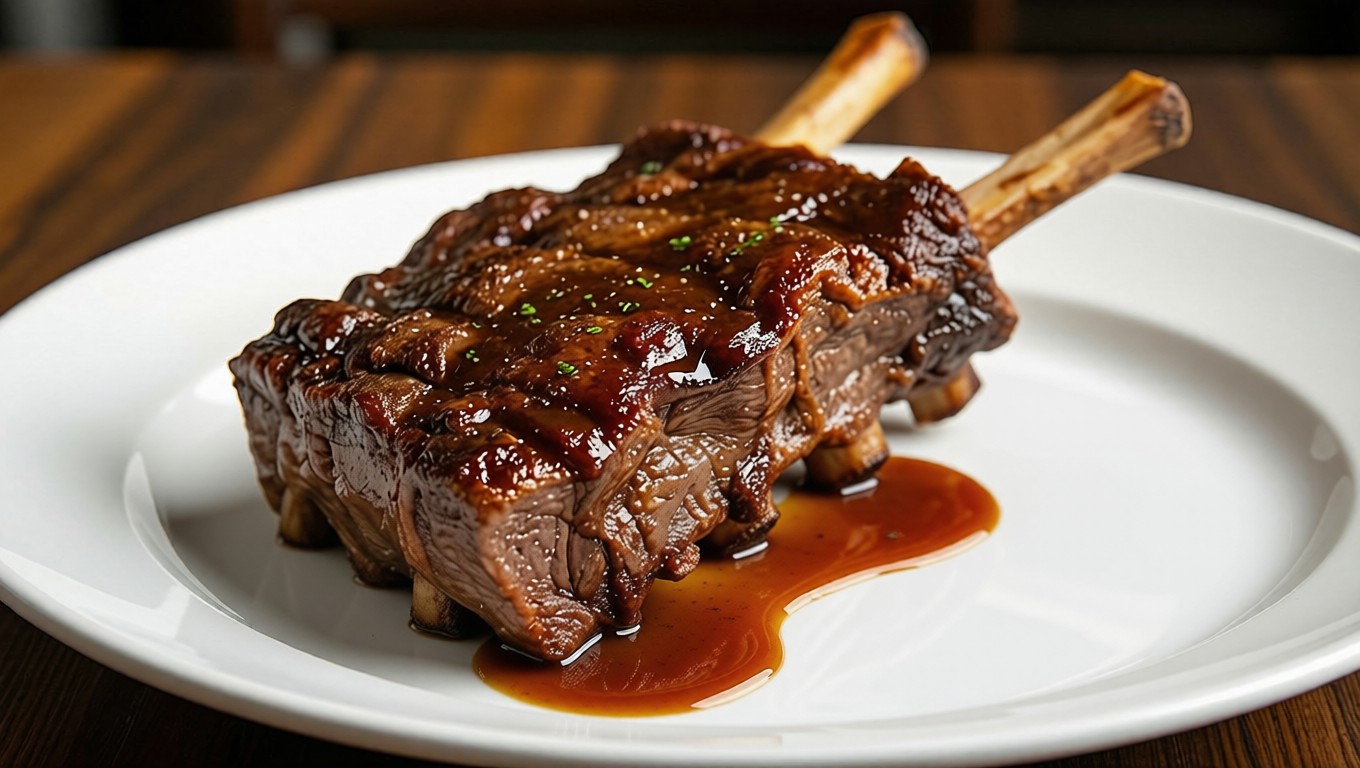
Beef Short Ribs
Beef

Beef Short Ribs

Fall-off-the-bone tender with rich fat content. These are packed with glycine and proline from the connective tissue—amino acids that support sleep, mood, and detoxification.

The Ruminant Advantage

Ruminant animals have a four-chambered stomach that ferments grass into nutrient-dense meat. This process creates the perfect omega-6 to omega-3 ratio and produces cancer-fighting compounds like CLA that are virtually absent in other meats.

See Other Fatty Meats

More Nutrient-Dense Cuts

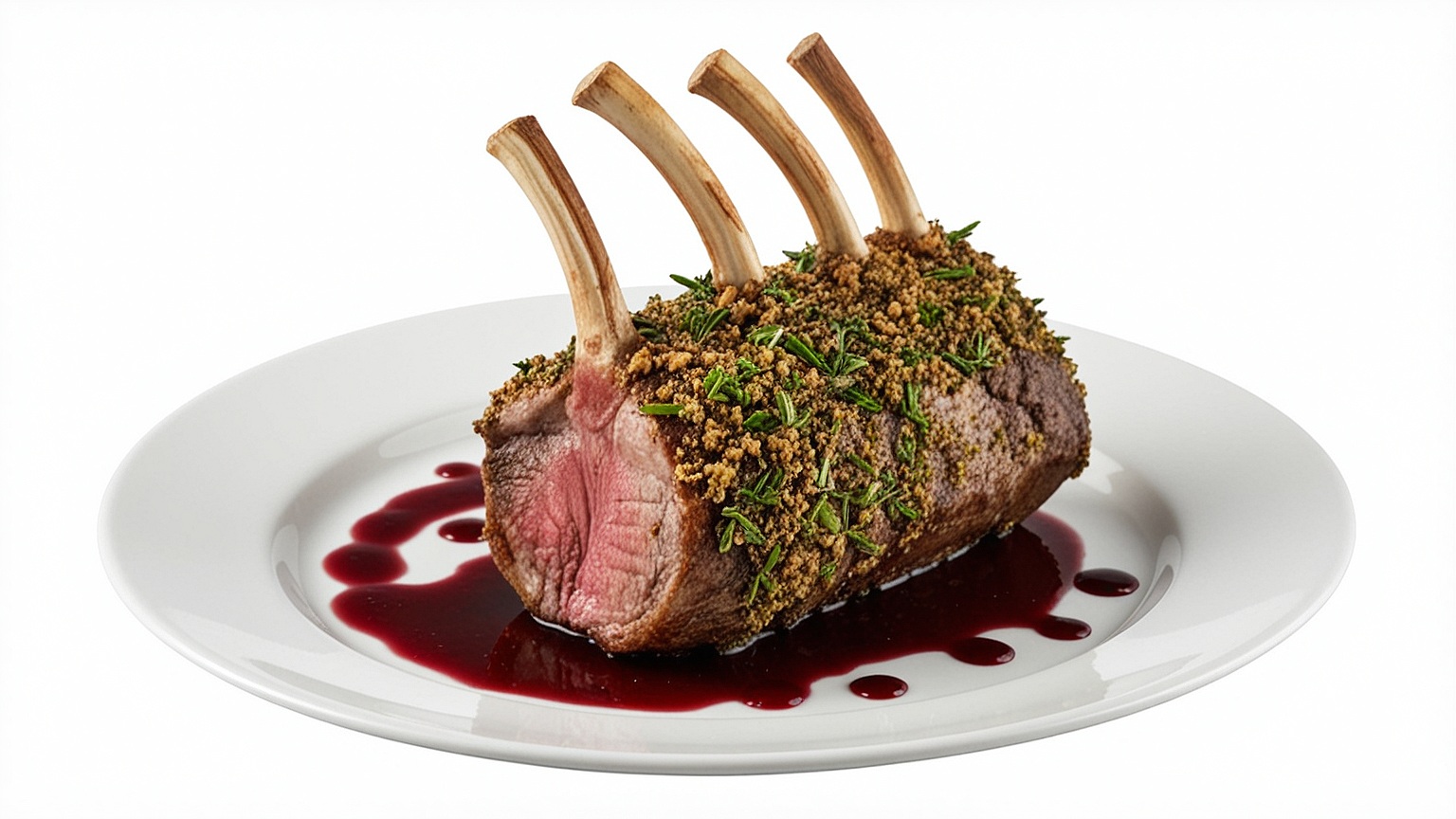
Herb-Crusted Rack of Lamb
Lamb

Rack of Lamb

Elegant and flavorful, the frenched bones hold marrow rich in stem cells and minerals. The herb-crusted fat cap provides a perfect balance of texture and nutrition.

Beef Bone Broth
Beef

Bone Broth

Extracted from beef bones and marrow, this liquid gold contains collagen, gelatin, and minerals. The golden fat layer on top is nutrient-dense and deeply nourishing.

Beef Liver with Onions
Organ Meat

Beef Liver

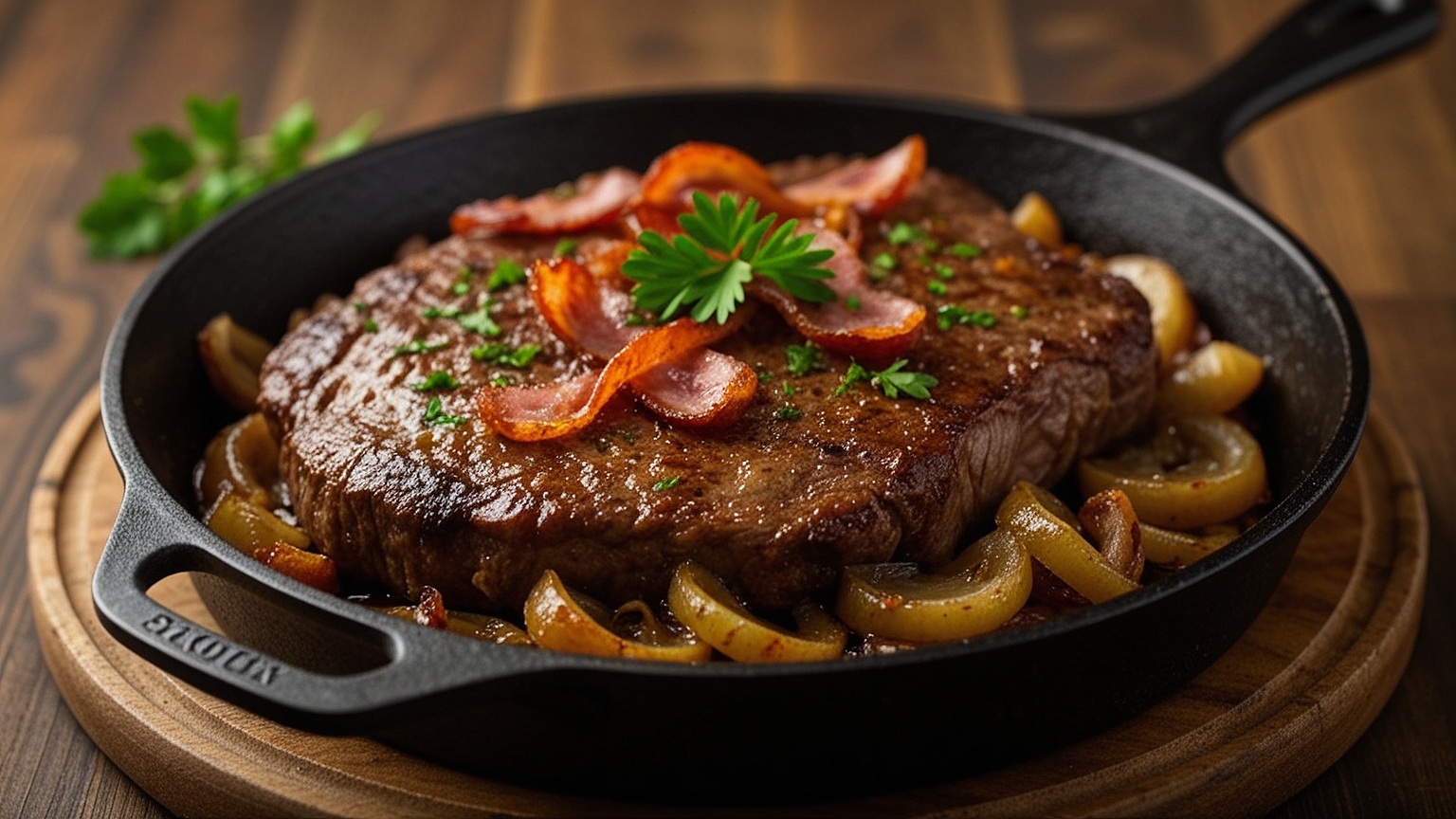
The most nutrient-dense food on the planet. When cooked with bacon fat and onions, liver provides bioavailable vitamin A, iron, copper, and B vitamins in amounts unmatched by any other food.

Fatty Ground Beef Burger
Beef

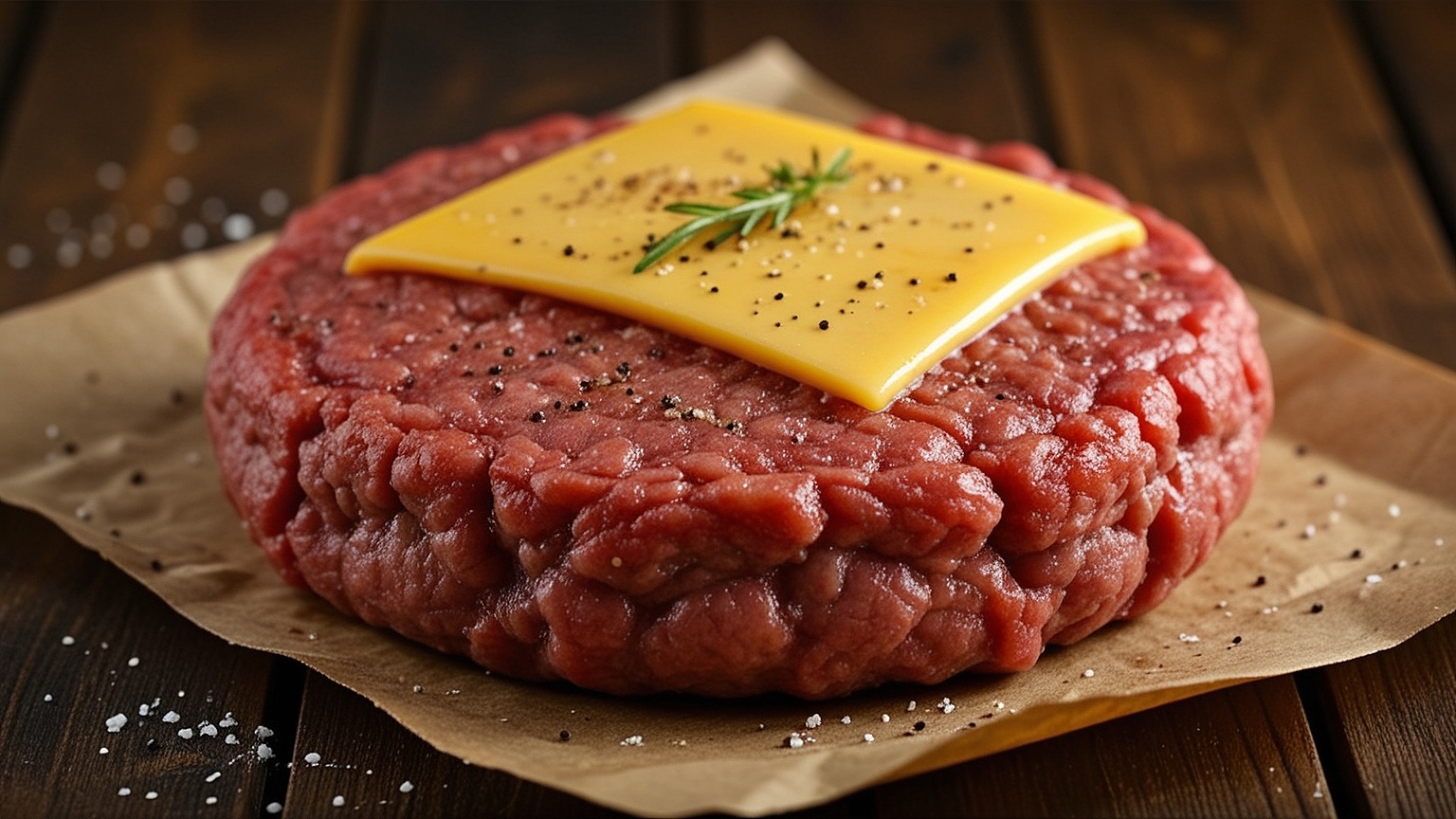
80/20 Ground Beef

The perfect ratio for juicy burgers. That 20% fat isn't just for flavor—it's essential for absorbing the fat-soluble vitamins and making the protein more bioavailable.

Other Fatty Meat Options

Ruminant meats should be your priority from a nutritional, health, safety and quality standpoint, but these other fatty meats can add variety. Proceed with caution, however, especially with regard to seafood, which you may with to avoid entirely due to safety concerns.

Pork

Fatty Pork Cuts

Pork Belly & Bacon: High in monounsaturated fats and the compound choline, which supports brain health. Choose pasture-raised for better omega-3 ratios.

Pork Shoulder: Perfect for slow cooking, the fat renders into the meat creating tender, flavorful dishes rich in B vitamins and zinc.

Seafood

Fatty Fish & Seafood

Salmon: Rich in EPA and DHA omega-3 fatty acids essential for brain and heart health.

Sardines & Mackerel: Small, oily fish loaded with omega-3s, calcium (from the bones), and vitamin D.

Shellfish: Oysters and mussels provide unique minerals like zinc and copper in highly bioavailable forms.

The Science Behind Fatty Meat

Frequently Asked Questions

Won't eating fatty meat raise my cholesterol?

Dietary cholesterol has minimal impact on blood cholesterol for most people. In fact, saturated fat can raise HDL (good cholesterol) and improve LDL particle size from small/dense (harmful) to large/fluffy (benign). Always work with your healthcare provider and monitor your specific response.

What about the saturated fat?

Recent meta-analyses have found no significant link between saturated fat and heart disease. Your body needs saturated fat for cell membrane structure, hormone production, and energy. The key is avoiding processed seed oils, not natural animal fats.

Should I choose grass-fed or grain-fed?

Grass-fed meat has superior omega-3 to omega-6 ratios, more CLA, and higher levels of antioxidants like vitamin E. However, grain-fed is still nutritious. Choose grass-fed when possible and affordable, but don't avoid meat if grass-fed isn't available.

How much fatty meat should I eat?

There's no one-size-fits-all answer. Many people thrive on a carnivore or animal-based approach, while others do well including fatty meat as part of a balanced diet. Listen to your body, eat until satisfied, and focus on whole foods rather than counting calories or macros obsessively.

Ready to Embrace Fatty Meat?

Join thousands who have transformed their health by rejecting low-fat dogma and embracing the nutrient-dense power of fatty meat. Your body will thank you.

Start Your Journey Today